Central Austin Dermatology & Aesthetics sets the standard for personalized, advanced skincare excellence in Austin, Texas. Our team of board-certified dermatologists, combined with highly trained and supportive staff, have the skills that enable us to provide the highest quality dermatology services our patients deserve.
Our dermatology patients in Austin Texas come to us for the evaluation and treatment of all things related to hair, skin, and nails. We formulate individualized treatment plans incorporating traditional therapies and innovative approaches to common conditions such as acne. We work in partnership with you to determine which course of therapy will be most effective, recognizing there is not a one-size-fits-all approach to any condition.
We treat patients of all ages and understand we are building lifelong relationships. The problems we see in children differ from those we see in our adult patient population because of many factors. The strong UV rays within ATX demand we pay close attention to skin care throughout our lives. Our team is dedicated to making sure you understand your options – we are here for you every step of the way!
Learn about our experts
Meet our team
We are all passionate about providing the highest quality dermatologic care with an emphasis on treating the person and not just the disease. We are committed to providing patient-centered quality care and our team of providers have a vast amount of experience. Our team has kept up with modern dermatology technologies, including tools, restorations and innovative methods of achieving and maintaining optimal skin health.
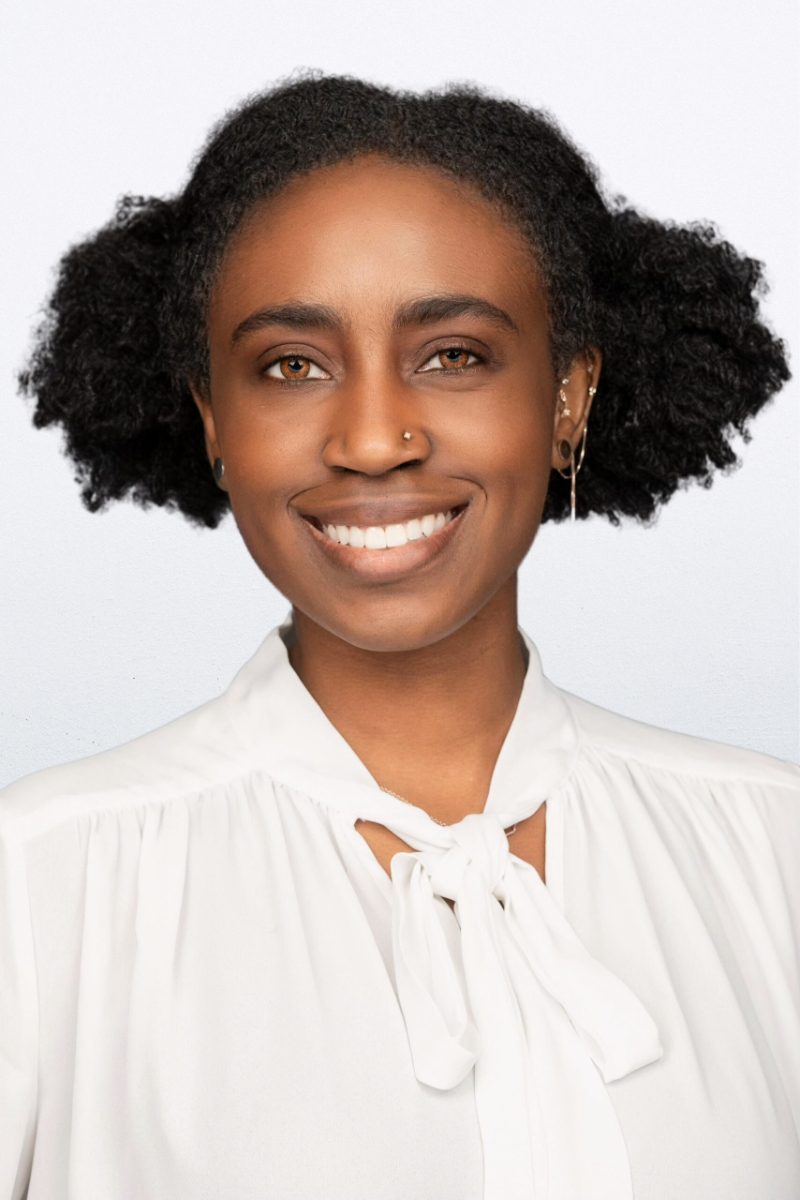
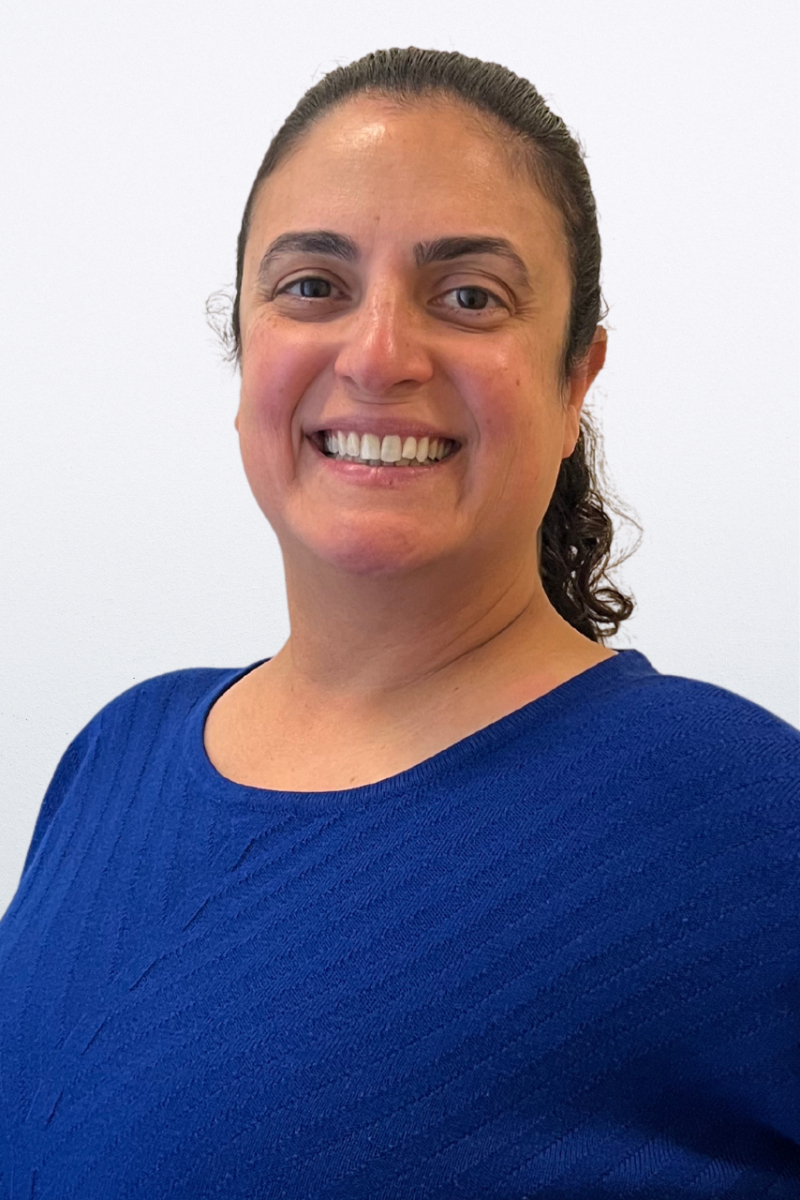
Simi Cadmus, MD
Board-Certified Dermatologist
Locations: Anderson Lane | Bryker Woods
Dr. Cadmus’s professional interests include surgical dermatology, skin of color, hair loss, and cosmetics.
Read more →
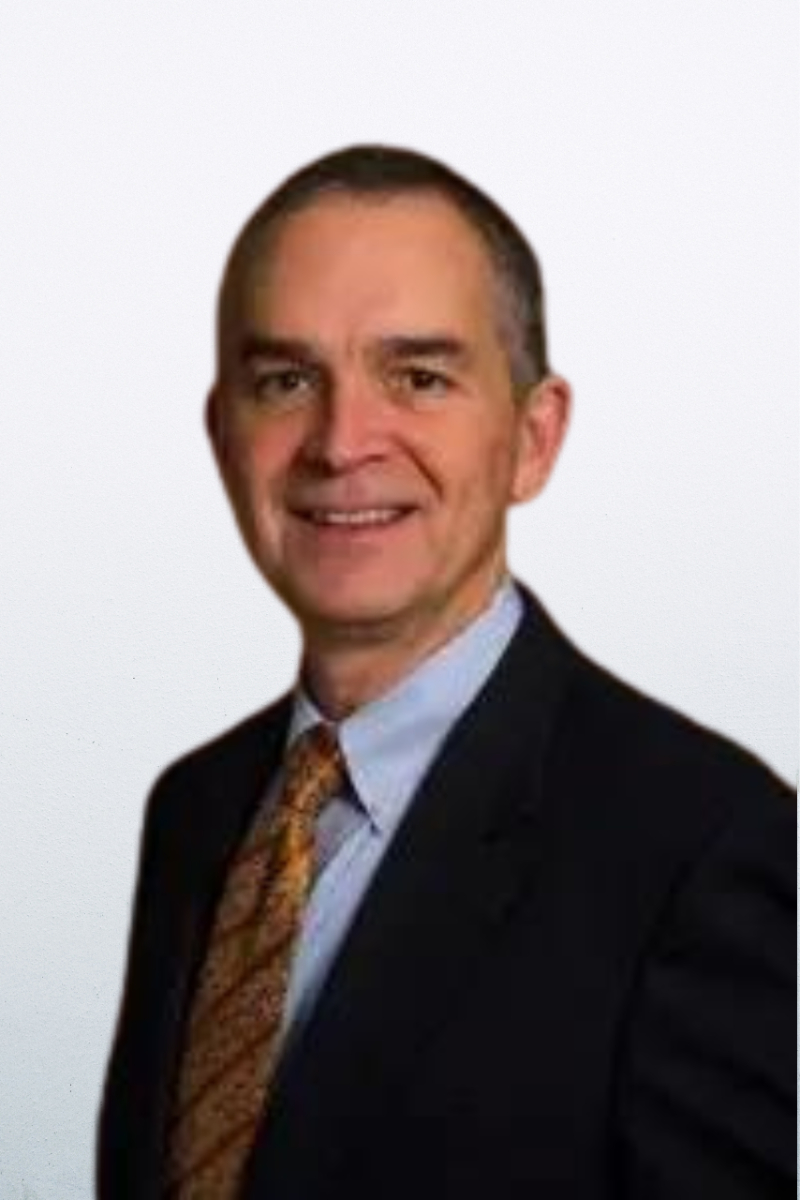
Jay A. Hendrix, MD
Board-Certified Dermatologist
Locations: 34th & West
Dr. Hendrix been named among the best physicians in Texas by Texas Monthly magazine
Read more →
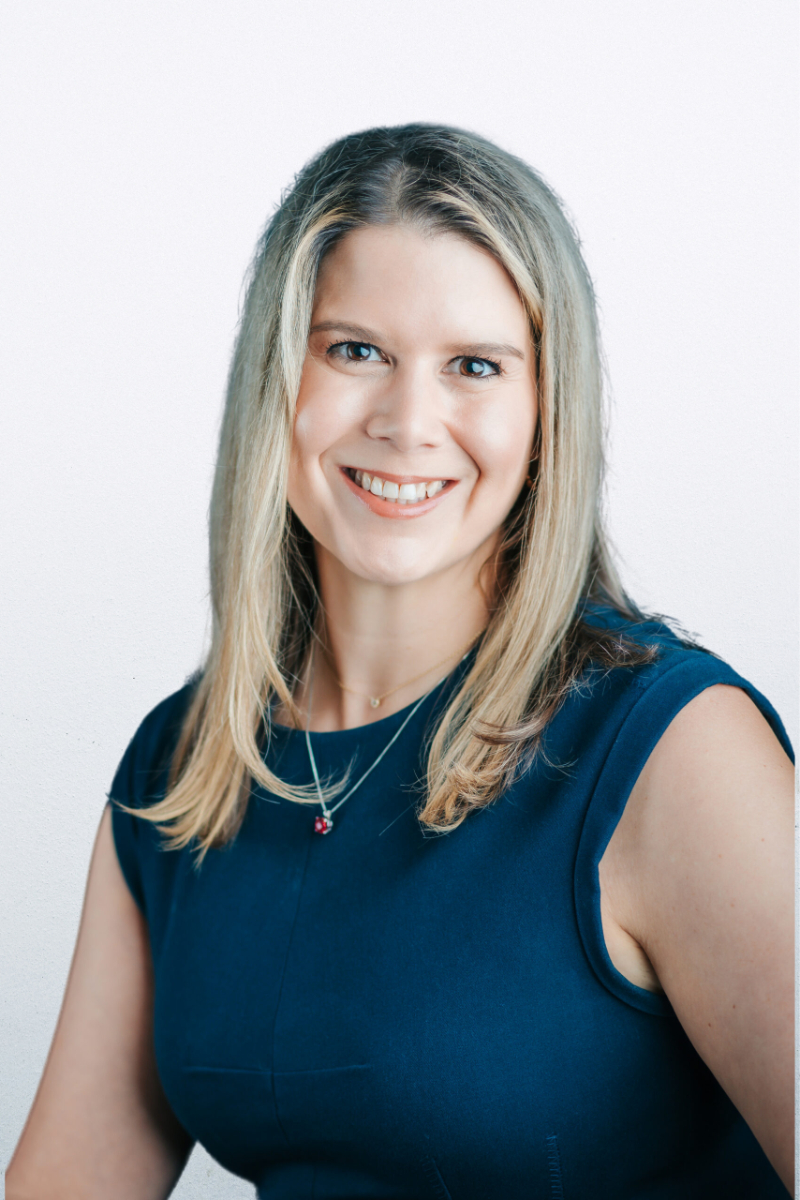
Courtney Scamardo, PA-C
Physician Assistant
Locations: Anderson Lane | Bryker Woods
Courtney loves working in dermatology because of the satisfaction that comes from building trust
Read more →
Shirien O. Coover, PA-C
Physician Assistant
Locations: 34th & West
Shirien is passionate about providing high-quality medical care to her patients and takes a
Read more →
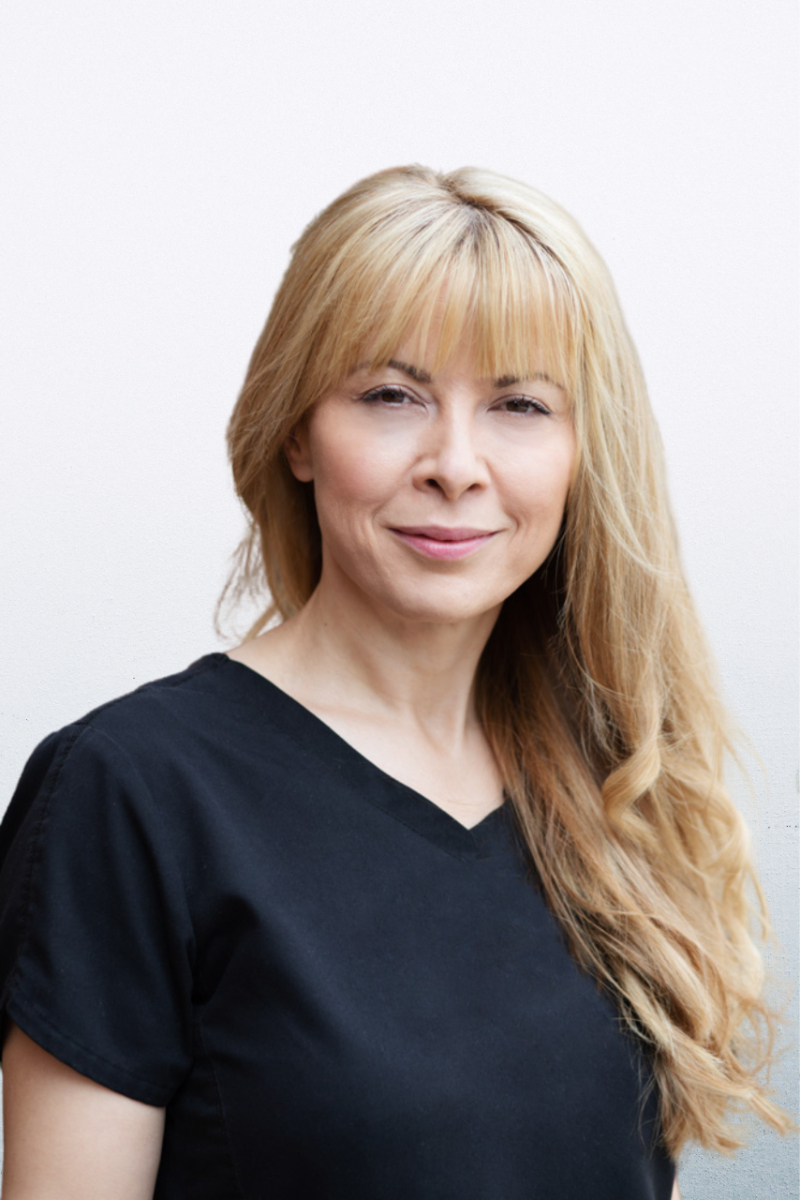
Lidija Balic, LVN
Aesthetic Provider
Locations: Bryker Woods
Lidija truly enjoys caring for people and providing our patients with a personable and
Read more →
We strive to provide our patients with “Skin Health Care”. The key to optimal skin health relys on providing our patients with preventative care and education. The skin is the largest organ on the human body and improving your skin improves your overall health. The team at Central Austin Dermatology & Aesthetics is not focused solely on your skin but care deeply about your full-body health.
We want to ensure that you and your family have all the appropriate knowledge about what is occurring with your skin. We will give you all the tools needed to ensure that healthy, beautiful and glowing skin is obtained in Austin, Texas and the surrounding areas.
Family Skin Care with
Education and Expertise
In your own words
Patient Testimonials
Anderson Ln.
I’m happy to say that Dr. Simi Cadmus and PA Courtney Scamardo are continuing Dr. Katherine Farady’s high standards of care and service. Good dermatologists are hard to find; I strongly recommend this entire practice.
- B.E.
Anderson Ln.
Friendly welcoming front desk staff. Calming space. I really liked Courtney as she was warm, friendly, and very knowledgeable. I highly recommend.
- R.A.
Anderson Ln.
My appointment date was just 2 days after I called to schedule. Accessing the building was very convenient. The staff was uniformly cheerful and positive. My provider, Courtney Scamardo, PA – C,, was very knowledgeable and encouraging. She spent a lot of time me. I never felt rushed.
- P.B.
Bryker Woods
I have seen Courtney for years and travel 2 hours to see her. She is very knowledgeable and I feel like she truly cares about my health. She’s the best!
- P.T.
Bryker Woods
Friendly welcoming front desk staff. Calming space. I really liked Courtney as she was warm, friendly, and very knowledgeable. I highly recommend.
- R.A.
34th & West
I’ve been a patient at Central Austin Derm for many many years, and specifically a patient of Shirien for many of those years. I never feel like she is in a rush, even if she is having a busy day. She explains what she is doing, listens to what concerns me, and is warmly professional.
- C.T.
Austin, Texas Dermatology
Schedule Your Appointment
Protect your skin and your health each year. Early detection of skin cancer, even melanoma, is associated with a high survival rate. Getting an annual skin examination is the best way to ensure that any cancerous or precancerous skin lesions are detected and cured early. Don’t delay a visit with your local Austin, Texas dermatologist!
Bryker Woods- Formerly Farady Dermatology Associates 34th St.